
Psalm 27:1-12
The LORD is my light and my salvation; whom shall I fear? the LORD is the strength of my life; of whom shall I be afraid?
One thing have I desired of the LORD, that will I seek after; that I may dwell in the house of the LORD all the days of my life, to behold the beauty of the LORD, and to enquire in his temple.
For in the time of trouble he shall hide me in his pavilion: in the secret of his tabernacle shall he hide me; he shall set me up upon a rock.
And now shall mine head be lifted up above mine enemies round about me: therefore will I offer in his tabernacle sacrifices of joy; I will sing, yea, I will sing praises unto the LORD. Hear, O LORD, when I cry with my voice: have mercy also upon me, and answer me.
When thou saidst, Seek ye my face; my heart said unto thee, Thy face, LORD, will I seek. Hide not thy face far from me; put not thy servant away in anger: thou hast been my help; leave me not, neither forsake me, O God of my salvation.
There are moments when strength feels less like advance and more like staying put. The world urges motion, progress, answers. Yet Scripture, at times, invites something quieter: remaining, attending, dwelling where one already stands.
In the Craft, I have learned that steadiness is not passivity. To remain faithful to one’s place, one’s word, one’s obligations, can be a deeper labour than constant movement. This psalm speaks into that truth with unusual tenderness.
Light that steadies rather than dazzles
“The LORD is my light and my salvation.” The statement is plain, almost unadorned. There is no flourish, no explanation. Light here is not spectacle; it is stability. It does not thrill the senses so much as it quiets fear.
I have known times when clarity did not solve my problems but steadied me enough to face them. Masonry does not promise escape from difficulty. It teaches a man how to stand upright within it, squared by principle rather than circumstance.
The psalmist’s confidence feels earned, not assumed. Fear has been known, enemies acknowledged. Light does not deny the presence of threat; it allows the heart to remain unscattered by it.
The discipline of wanting one thing
“One thing have I desired.” That line always arrests me. Desire here is not indulgent. It is disciplined. The psalmist does not ask for many outcomes, only for the grace to dwell, to behold, to enquire.
In Lodge, focus is learned slowly. The work teaches restraint: one tool at a time, one obligation held carefully, one step taken with attention. Scattered desire weakens labour. Ordered desire strengthens it.
To dwell is not to hide from the world. It is to choose a centre from which the world may be met. I read this as an invitation to simplify the inner life, to reduce the noise that competes for allegiance.
Hidden, not removed
The psalm promises concealment in time of trouble, not removal from it. The pavilion and tabernacle are not escapes; they are places of covering. Protection here is relational, not geographical.
This resonates with the Masonic understanding of brotherhood. Support does not eliminate struggle, but it shelters a man while he endures it. The strength offered is often quiet, unnoticed by those outside it.
I have come to trust that not being seen can be a form of care. Some seasons require obscurity, a time when growth happens away from public view. The stone is shaped before it is set.
Joy that rises without denial
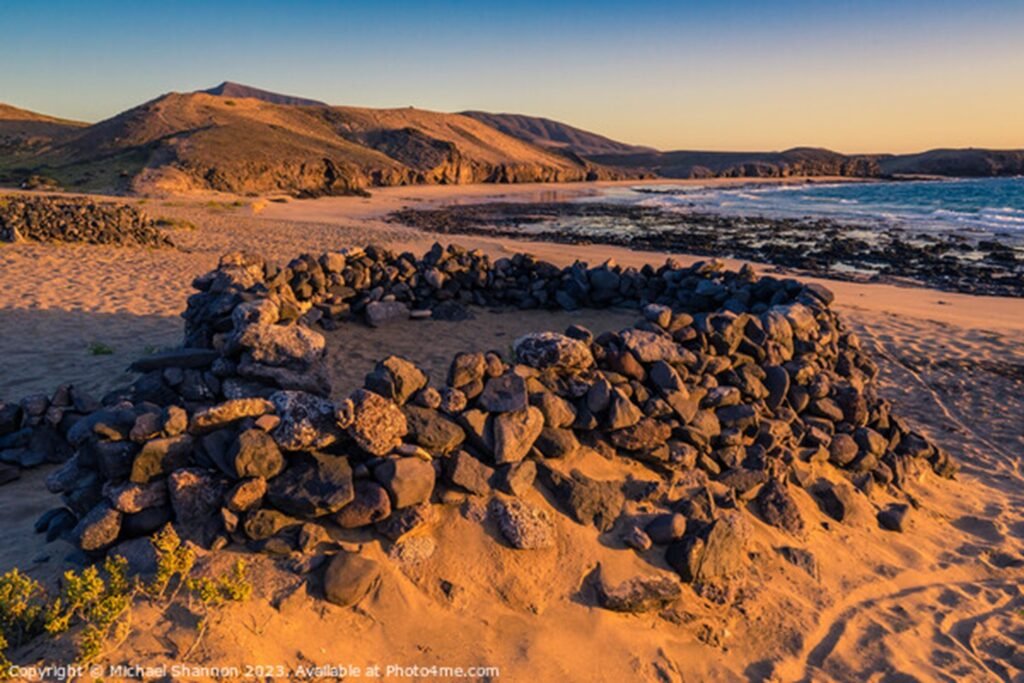
The psalmist speaks of joy even while trouble remains near. This joy is not naïve. It rises because the head is lifted, perspective restored. The enemies remain, but they no longer define the horizon.
In my own experience, joy has often followed acceptance rather than victory. Masonry teaches a man to measure himself not against others, but against the standard he has been given. When that measure is met, quiet joy follows.
Joy here is offered, not claimed. It is an act of trust, a response rather than a conclusion. I find that kind of joy sustainable.
Seeking without certainty
The psalm does not end in triumph but in petition. “Hide not thy face.” Confidence and vulnerability stand side by side. Faith does not silence the need to ask.
This feels deeply human. To seek God’s face is to admit that presence can feel withdrawn. The Craft does not ask a man to pretend certainty he does not possess. It asks him to keep walking honestly, even when assurance wavers.
A line that lingers with me is this: remaining is sometimes the bravest form of movement.
The psalm leaves us dwelling, seeking, asking. No resolution is announced. Yet something has shifted. Fear no longer commands the centre. Desire has been clarified. The heart has found a place to stand.
I return to this passage when I am tempted to confuse activity with faithfulness. It reminds me that to remain, attentively and humbly, is itself a form of labour worthy of respect.