
Isaiah 2:1–5 (King James Version)
The word that Isaiah the son of Amoz saw concerning Judah and Jerusalem.
And it shall come to pass in the last days, that the mountain of the LORD’S house shall be established in the top of the mountains, and shall be exalted above the hills; and all nations shall flow unto it.
And many people shall go and say, Come ye, and let us go up to the mountain of the LORD, to the house of the God of Jacob; and he will teach us of his ways, and we will walk in his paths: for out of Zion shall go forth the law, and the word of the LORD from Jerusalem.
And he shall judge among the nations, and shall rebuke many people: and they shall beat their swords into plowshares, and their spears into pruninghooks: nation shall not lift up sword against nation, neither shall they learn war any more. O house of Jacob, come ye, and let us walk in the light of the LORD.
Isaiah’s Vision of the Mountain of the LORD
There are visions in Scripture that are not meant to be solved, only entered. Isaiah’s vision of the mountain of the LORD’s house is one of these. It is not presented as a plan, or a schedule, or a diagram of events. It is shown, quietly and firmly, as a place toward which people begin to move.
The movement matters as much as the destination.
Isaiah does not describe a sudden transformation. Nations do not arrive all at once. They flow. The word suggests patience rather than force, inclination rather than command. What draws them is not conquest, but the promise of order, instruction, and peace.
I have come to notice how rarely Scripture speaks of peace as something seized. It is almost always something learned.
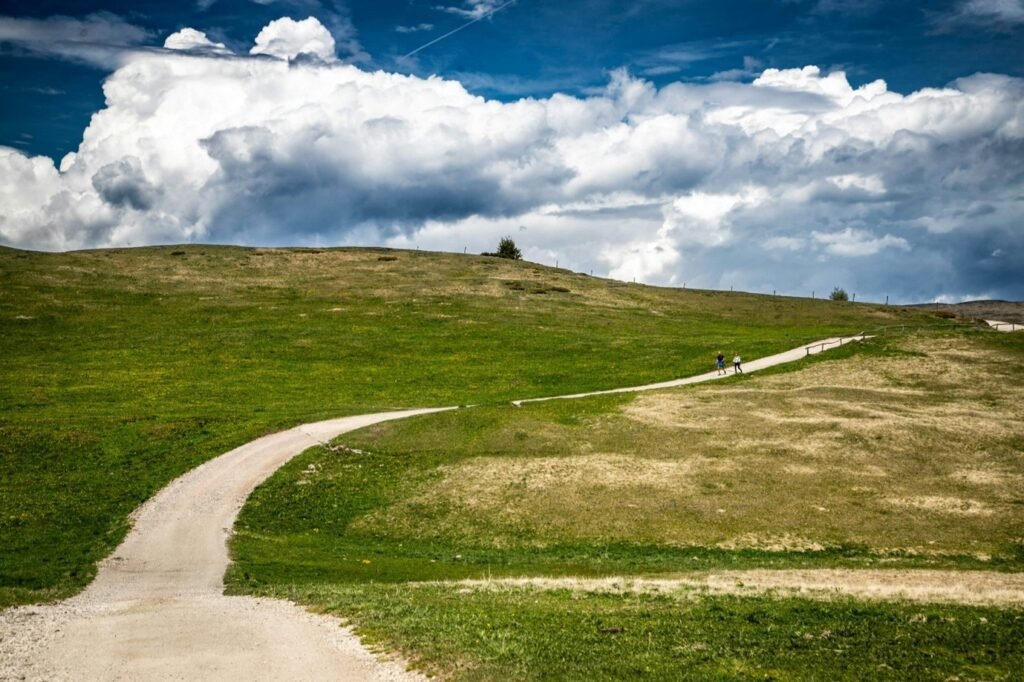
A Foundation Established Before It Is Filled
The mountain of the LORD’s house is described as being established, not constructed. It is set firm, made ready to bear weight. A building that is not well founded cannot receive those who enter it. Stability comes before welcome.
In Freemasonry, this principle is understood without argument. We are taught to prepare the ground before laying the stone. Order precedes ornament. Without that patience, nothing lasting can be raised.
Come Ye, and Let Us Go Up
Isaiah’s vision is communal. People speak to one another. Come ye, and let us go up. No one is dragged. No one is singled out as superior. The invitation passes naturally from voice to voice. Desire spreads through example rather than enforcement.
What they seek is teaching, not domination. He will teach us of his ways, and we will walk in his paths. The response to instruction is not debate, but walking. Knowledge here is not abstract. It is embodied. Learned by movement, not merely by hearing.
This is where the vision becomes uncomfortable. Walking implies effort, direction, and time. It cannot be completed in a moment.
Swords into Plowshares: Order Before Peace
The law going forth from Zion is not portrayed as burden. It is presented as guidance. Something that aligns steps, rather than restrains them. This is not law imposed from above, but order received willingly.
Then comes the line that often captures attention: Swords into plowshares. Spears into pruninghooks. Yet this transformation follows instruction and judgment. Peace is the fruit of order, not its substitute.
Tools of destruction become tools of cultivation. The metal remains. The skill remains. What changes is purpose.
In Masonic terms, this is refinement rather than erasure. The rough is not discarded. It is shaped so that it can serve.
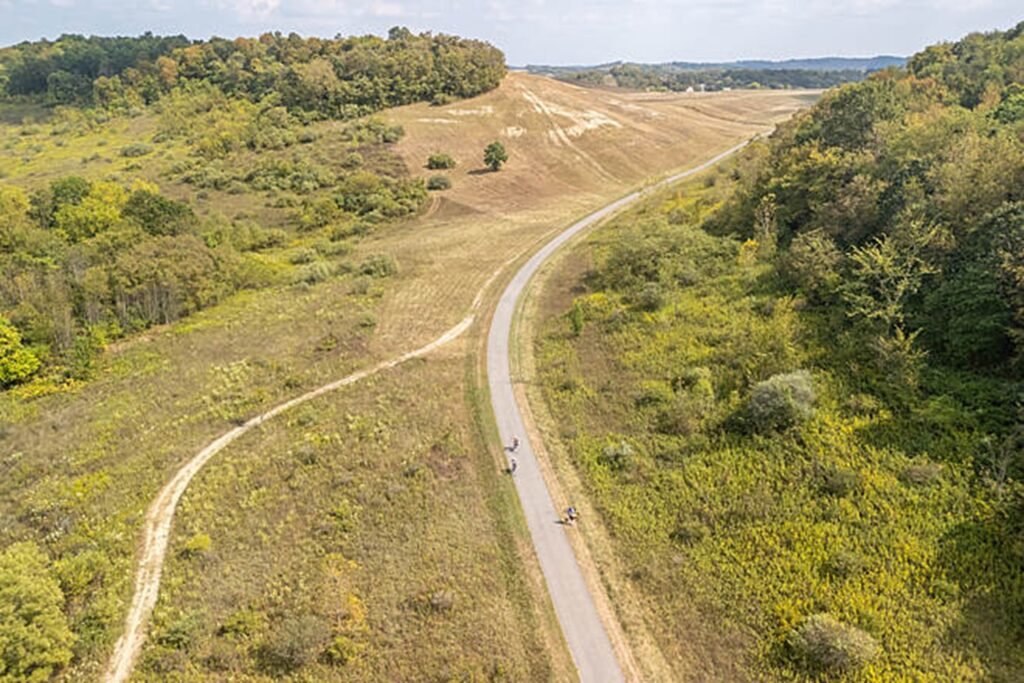
Learning to Walk in the Light
The vision does not deny conflict existed. It insists it need not define the future. Neither shall they learn war any more. Learning is the key word. Violence is not instinct alone. It is taught, practiced, rehearsed. Isaiah imagines a time when different lessons take its place.
What habits am I learning daily? What responses am I rehearsing without noticing? Walking toward the LORD’s house requires more than agreement. It requires unlearning.

Walking Toward the House That Orders Peace
The final call is personal. O house of Jacob, come ye, and let us walk in the light of the LORD. After all the nations, the vision returns home. It does not allow the reader to remain a spectator.
Light here is not spectacle. It is clarity. The ability to see one’s next step without illusion. Hope is not escape from the present world. It is orientation within it. A steady decision to walk toward something that orders life more truly than fear ever could.
The house we walk toward is not only future. It exerts its pull now. Each choice to shape rather than strike, to build rather than dominate, is already a step upward.
Memorable Phrase
Peace is not the absence of strength, but the right direction of it.
Isaiah does not ask us to predict the end of history. He asks us to consider the direction of our steps. Are we moving toward the house that can receive others, or circling ground we already know?
The path remains open. The invitation still passes from one voice to another.
For today, walking in that light is enough.