Psalm 72:1–7, 18–19 (King James Version)
Give the king thy judgments, O God, and thy righteousness unto the king’s son. He shall judge thy people with righteousness, and thy poor with judgment.
The mountains shall bring peace to the people, and the little hills, by righteousness. He shall judge the poor of the people, he shall save the children of the needy, and shall break in pieces the oppressor.
They shall fear thee as long as the sun and moon endure, throughout all generations. He shall come down like rain upon the mown grass: as showers that water the earth.
In his days shall the righteous flourish; and abundance of peace so long as the moon endureth. Blessed be the LORD God, the God of Israel, who only doeth wondrous things. And blessed be his glorious name for ever: and let the whole earth be filled with his glory; Amen, and Amen.
A Prayer for Entrusted Authority
This psalm begins with a request rather than a declaration. Authority is not assumed. It is asked for. Give the king thy judgments, O God. Power, in this vision, is something entrusted, not possessed by right. The measure by which a ruler governs must be received before it can be exercised.
That opening shapes everything that follows.
Righteousness Applied Among Real People
The psalmist does not pray for victory, expansion, or admiration. He prays for righteousness — a word that is often admired from a distance and resisted up close. Righteousness here is not abstract virtue. It is applied judgment, exercised among real people, under real conditions.

I find it telling that the poor are named immediately. Justice is measured not by how it treats the powerful, but by how it reaches those with little protection.
Structural Peace
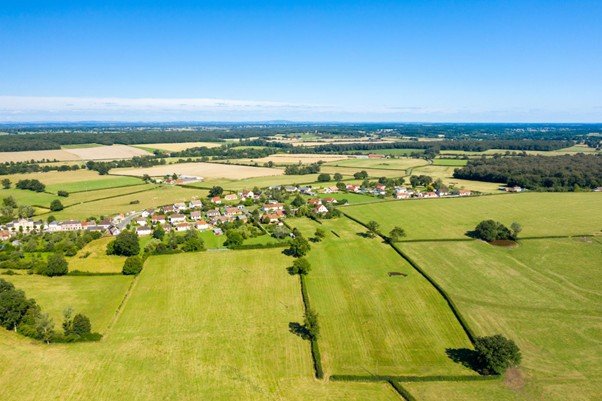
The psalm imagines peace emerging from unexpected places. Mountains and hills bring it forth. The language is poetic, but not sentimental. These are the very features that usually divide land and make travel difficult. Even they, under righteous judgment, become sources of peace rather than barriers.
Peace, in this psalm, is not fragile. It is structural. It is carried by the shape of the land itself.
In Freemasonry, we understand something of this. Order is not imposed by force alone. It is built into the structure. When lines are true and measures are right, stability follows naturally.
Justice That Confronts Oppression
The psalm does not hesitate to name opposition. The oppressor is not ignored or excused. He is broken — not out of cruelty, but because oppression cannot be allowed to continue unchallenged. Peace that tolerates abuse is not peace at all. It is quiet injustice.
Yet even here, the language remains restrained. There is no relish in the breaking. It is simply necessary. Righteous judgment acts decisively, but without spectacle.
The care for the needy continues. Children are named. Vulnerability is placed at the centre of concern. A society is judged by how it treats those who cannot defend themselves.
This is not idealism. It is accountability.

Rain on Mown Grass
Then the psalm shifts tone, becoming almost tender. The coming of righteous rule is compared to rain on mown grass. This is not dramatic rainfall. It is timely. The grass has already been cut back. It needs moisture to live again.
The image echoes Isaiah’s stump. Life returning not by force, but by provision. Growth follows when conditions are right.
I find that image stays with me. Righteousness is not always visible as power. Sometimes it is known only by what begins to grow quietly afterward.
Abundance Grounded in Order
The result of such rule is flourishing. Not excess, but abundance of peace. Peace that lasts. Peace that does not depend on constant enforcement. The language stretches toward permanence — as long as the sun and moon endure.
This is not naïve optimism. It is hope grounded in order rather than personality. The psalm does not praise the king’s charisma. It praises the righteousness entrusted to him.
That distinction matters. When goodness depends on character alone, it is fragile. When it is anchored in measure and judgment beyond the individual, it can endure succession and change.
Glory That Belongs to God Alone
The closing verses lift the focus higher. God alone does wondrous things. The king, however just, is not the source. He is a steward. The glory belongs elsewhere.
The final desire is expansive. Let the whole earth be filled with his glory. This is not conquest. It is saturation. Like light filling a room, not armies filling a city.
The psalm ends with agreement rather than argument. Amen, and Amen. A double assent. What has been spoken is affirmed not once, but twice.
A Line That Remains
There is a line here that stays with me through the week.
Peace grows where judgment is rightly measured.
This psalm teaches me that hope for a just world does not begin with wishing for better leaders alone. It begins with longing for better measures — judgments shaped by righteousness rather than convenience.
In the craft, we return again and again to the idea of measure. Not everything can be equal, but everything must be just. Without that discipline, strength turns inward and corrodes itself.
For today, I hear this psalm as a prayer rather than a prediction. A request that authority, wherever it rests, might be governed by something higher than ambition.
And that where righteousness is allowed to fall like rain, peace may quietly take root.
Memorable Phrase
Peace grows where judgment is rightly measured.