Matthew 3:1–12 (King James Version)
In those days came John the Baptist, preaching in the wilderness of Judaea,
And saying, Repent ye: for the kingdom of heaven is at hand.
For this is he that was spoken of by the prophet Esaias, saying, The voice of one crying in the wilderness, Prepare ye the way of the Lord, make his paths straight.
And the same John had his raiment of camel’s hair, and a leathern girdle about his loins; and his meat was locusts and wild honey.
Then went out to him Jerusalem, and all Judaea, and all the region round about Jordan,
And were baptized of him in Jordan, confessing their sins.
But when he saw many of the Pharisees and Sadducees come to his baptism, he said unto them, O generation of vipers, who hath warned you to flee from the wrath to come?
Bring forth therefore fruits meet for repentance:
And think not to say within yourselves, We have Abraham to our father: for I say unto you, that God is able of these stones to raise up children unto Abraham.
And now also the axe is laid unto the root of the trees: therefore every tree which bringeth not forth good fruit is hewn down, and cast into the fire.
I indeed baptize you with water unto repentance: but he that cometh after me is mightier than I, whose shoes I am not worthy to bear: he shall baptize you with the Holy Ghost, and with fire:
Whose fan is in his hand, and he will throughly purge his floor, and gather his wheat into the garner; but he will burn up the chaff with unquenchable fire.
The Voice in the Wilderness
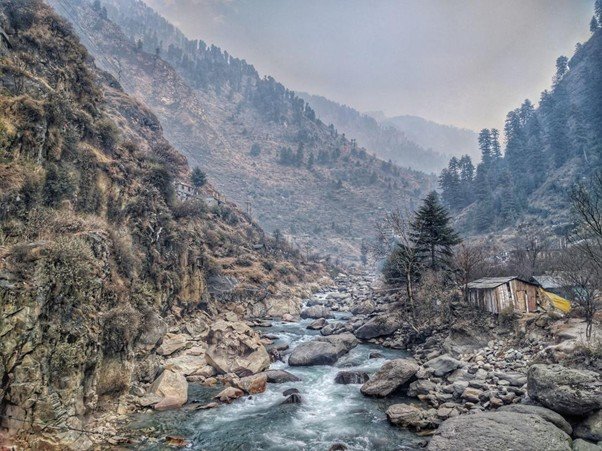
John does not appear in a city. He does not seek a platform already prepared for him. He stands in the wilderness and speaks from there. That detail is not incidental. The message he brings does not depend on institution, shelter, or familiarity. It meets people where there is nothing else to distract them.
The wilderness strips things back. No walls. No ornament. No inherited authority. A voice carries only as far as it is true.
I find that unsettling and clarifying at the same time.
A Call to Turn
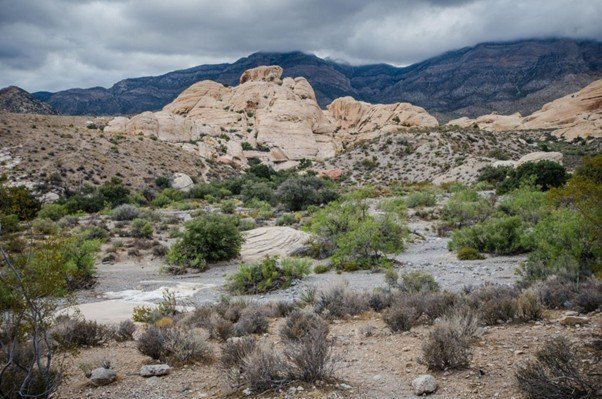
John’s call is direct. Repent ye. The word has gathered weight over time, but here it is not moral theatre. It is an invitation to turn, to face a different direction. The kingdom of heaven is described as near, not distant. Change is not postponed until conditions improve. It is asked for now.
That immediacy matters. John does not offer a programme. He offers orientation. Preparation begins not with knowledge, but with willingness.
Preparation and the Inner Path
In Freemasonry, preparation is never rushed, yet it is never avoided. A man is asked to consider where he stands before he is invited to move further. The straightening of paths begins inwardly, long before it is visible outwardly.
Coherence Between Life and Message
The description of John’s clothing and diet resists romanticising. He is not presented as eccentric for effect. His way of life simply matches his message. Nothing is softened. Nothing is hidden. His authority does not arise from refinement, but from coherence.
That coherence draws people out. Jerusalem goes to him. Not because the wilderness is comfortable, but because clarity often waits there.
Confession follows. Not spectacle. Not defence. People name what they carry. Water marks the turning, but does not complete it.
Fruit, Not Position
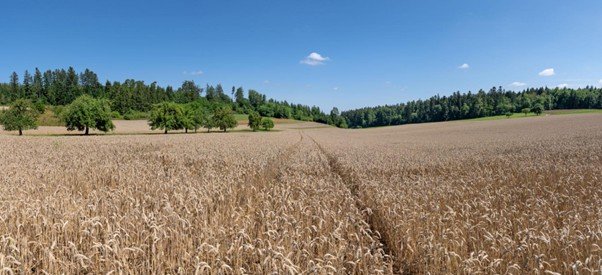
John’s sharpest words are reserved for those who arrive with assurance already in place. He challenges inherited claims. Descent, title, and familiarity are not enough. Stones can replace lineage if necessary. Fruit, not position, is the measure.
This is where the passage presses hardest. It refuses to let belonging substitute for transformation. Identity without change becomes hollow.
The Work in the Present
In the craft, lineage and title are treated with care, but never as guarantees. What matters is whether the work is being done now. The square is applied in the present, not admired from the past.
The Axe at the Root
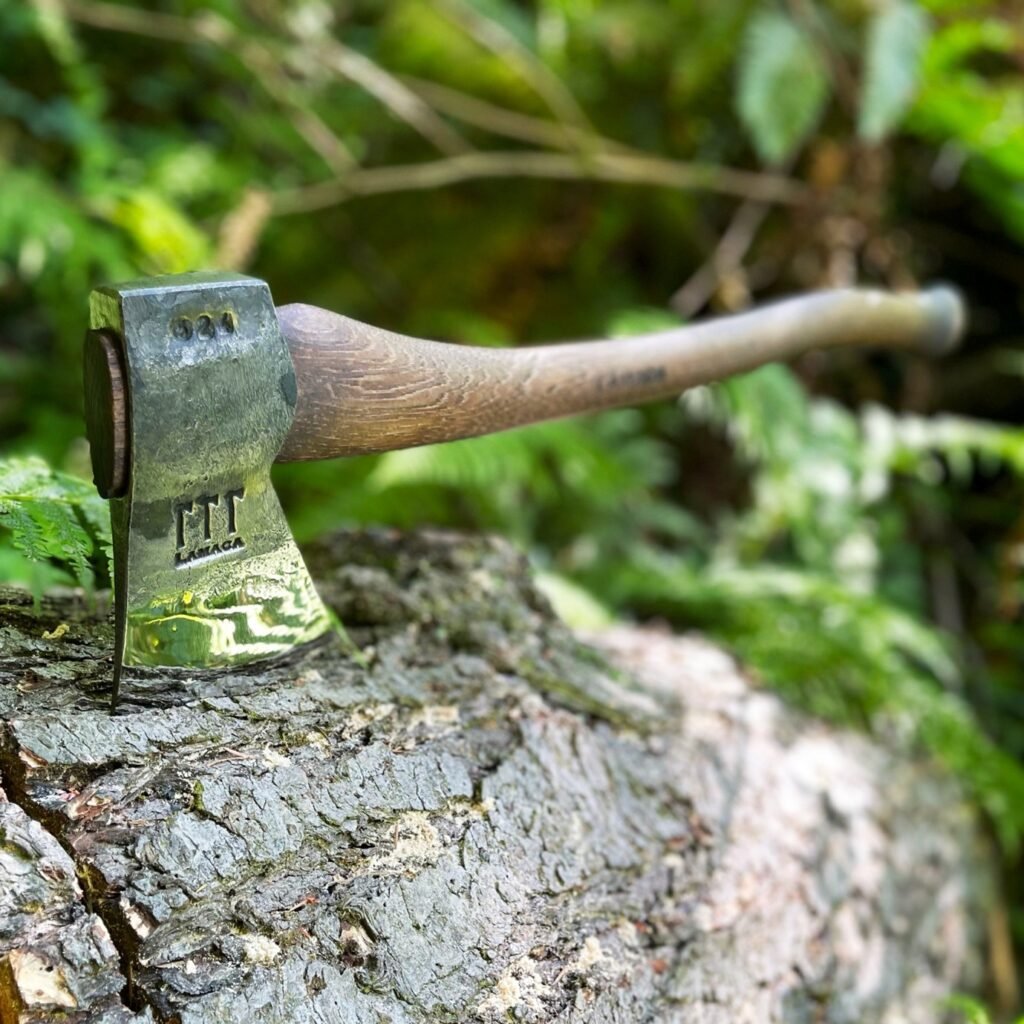
The image of the axe at the root is not delayed threat. It is present reality. The question is not whether cutting will occur someday, but whether growth is already happening. Fruit is expected because time has already been given.
A Voice That Steps Aside
Yet John is careful to step aside. He names his own limits. Water is not fire. Preparation is not completion. Another is coming, and John does not compete with him.
That humility matters. The voice prepares the way, then recedes. It does not cling to relevance.
Fire, Winnowing, and What Remains
Fire and winnowing close the passage. These are images of separation rather than destruction alone. Wheat is gathered. Chaff is removed. What cannot endure is not preserved out of sentiment.
This is not cruelty. It is honesty. What is weightless cannot be built with.
What Preparation Allows to Fall Away
There is a line in this passage that stays with me through the week.
Preparation is proven by what it allows to fall away.
John’s presence in the wilderness reminds me that truth does not require comfort to speak clearly. It requires space. Room for words to land without being softened by habit or defended by position.
The call to repentance is not an accusation. It is an opening. A chance to clear what blocks the path so that something greater may pass through.
For today, listening in that open place is enough. Allowing the way to be prepared, even when it unsettles what I have leaned on, is enough.
The voice does not remain forever. But the path it clears does.