Isaiah 35:1–10 (King James Version)
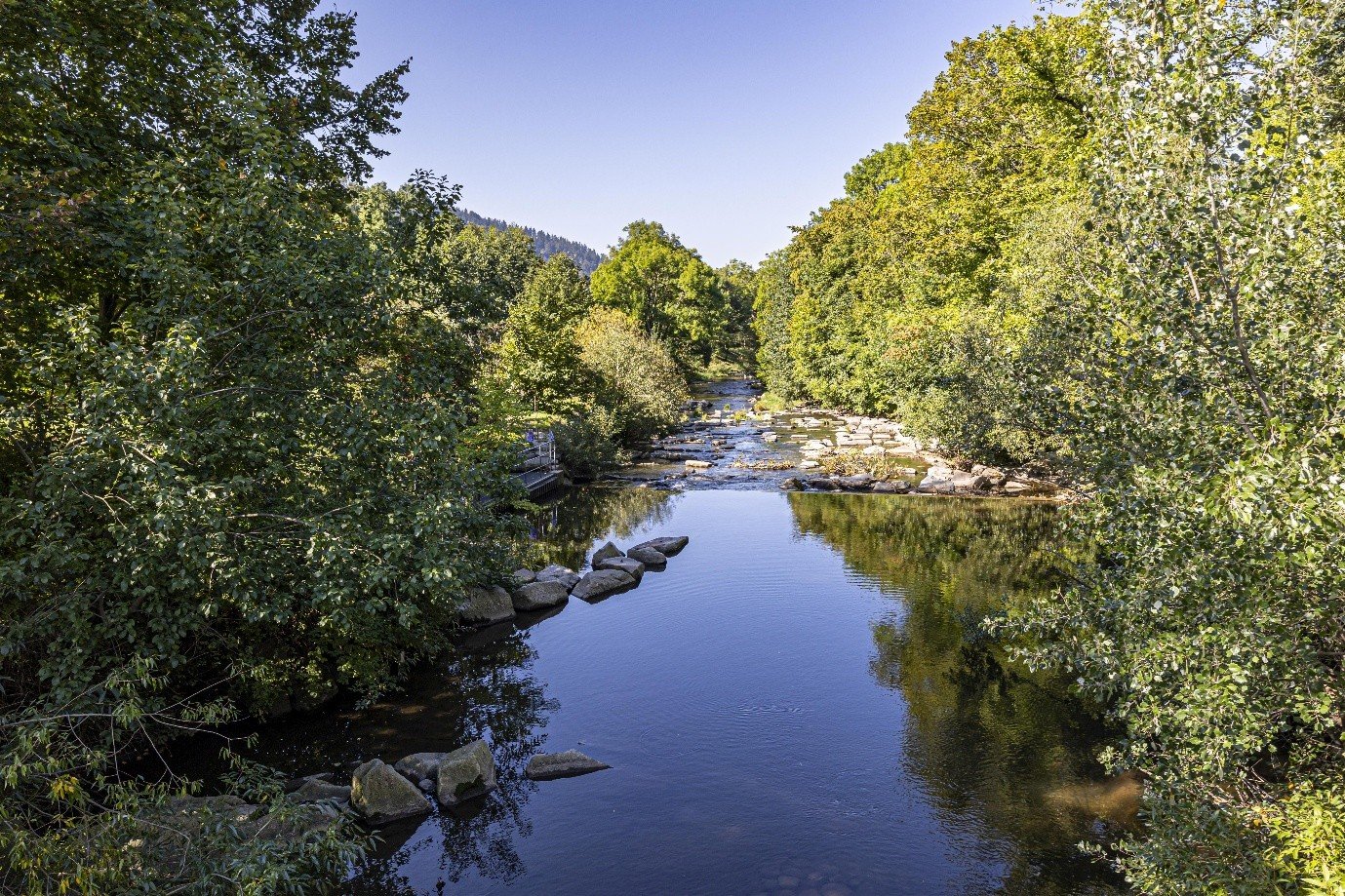
The wilderness and the solitary place shall be glad for them; and the desert shall rejoice, and blossom as the rose.
It shall blossom abundantly, and rejoice even with joy and singing: the glory of Lebanon shall be given unto it, the excellency of Carmel and Sharon, they shall see the glory of the LORD, and the excellency of our God.
Strengthen ye the weak hands, and confirm the feeble knees.
Say to them that are of a fearful heart, Be strong, fear not: behold, your God will come with vengeance, even God with a recompence; he will come and save you.
Then the eyes of the blind shall be opened, and the ears of the deaf shall be unstopped.
Then shall the lame man leap as an hart, and the tongue of the dumb sing: for in the wilderness shall waters break out, and streams in the desert.
And the parched ground shall become a pool, and the thirsty land springs of water: in the habitation of dragons, where each lay, shall be grass with reeds and rushes.
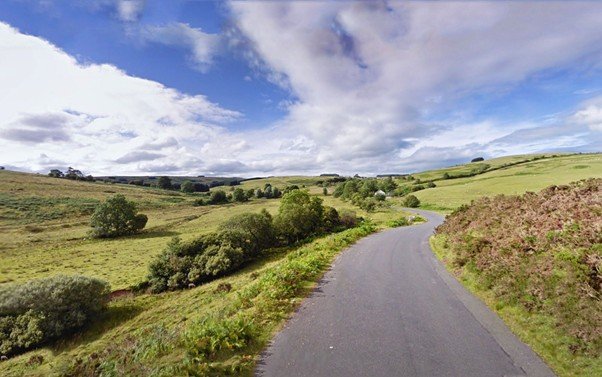
And an highway shall be there, and a way, and it shall be called The way of holiness; the unclean shall not pass over it; but it shall be for those: the wayfaring men, though fools, shall not err therein.
No lion shall be there, nor any ravenous beast shall go up thereon, it shall not be found there; but the redeemed shall walk there:
And the ransomed of the LORD shall return, and come to Zion with songs and everlasting joy upon their heads: they shall obtain joy and gladness, and sorrow and sighing shall flee away.
Renewal Begins in the Wilderness
Isaiah does not begin with the city restored or the people triumphant. He begins with the land itself. The wilderness and the solitary place are named first, as if they too have been waiting. The change promised here is not limited to human fortunes. It reaches into the very ground underfoot.
I linger over that detail. Renewal does not arrive as a private comfort. It reshapes the spaces we thought were beyond use. What was barren does not merely survive. It rejoices.
There is patience in this vision. Blossoming takes time. It cannot be commanded. It comes when conditions have quietly changed.

Beauty Shared, Not Contained
The transformation Isaiah describes is generous. Glory once associated with distant places is shared freely. Lebanon, Carmel, Sharon — names that carry weight and beauty — are no longer held apart. What was excellent elsewhere is now present here.
This widening of beauty matters. It suggests that restoration is not about returning things to their former boundaries. It is about abundance that refuses to remain contained.
In the craft, we understand something of this. A building is not improved by hoarding its finest stone. What gives it dignity is careful placement, where strength and beauty are offered where they are needed most.
Strengthening What Is Weak
The voice in the passage then turns practical. Strengthen ye the weak hands, and confirm the feeble knees. Renewal does not wait for strength to appear. It begins by addressing weakness directly. Support is not postponed until confidence returns. It is given so that confidence may slowly grow.
Fear is named without mockery. Say to them that are of a fearful heart, Be strong, fear not. Courage here is not demanded. It is spoken into being.
This speaks to me. Fear often thrives in silence. Naming it gently is sometimes enough to loosen its grip.
Ordinary Healing, Steady Supply
Healing follows, but it is described without excess. Eyes open. Ears hear. Limbs move. Tongues sing. These are not spectacles staged for admiration. They are restorations of ordinary function. Life becomes possible again where it had narrowed.
Water appears where none was expected. Streams break out in the wilderness. The image is not of a sudden flood, but of sustained supply. What was once dry becomes dependable.
In Freemasonry, we speak of refreshment not as indulgence, but as necessary pause. Labour without renewal deforms both the work and the worker. Isaiah’s vision insists that true restoration provides what is needed to continue faithfully.
A Way Made Clear
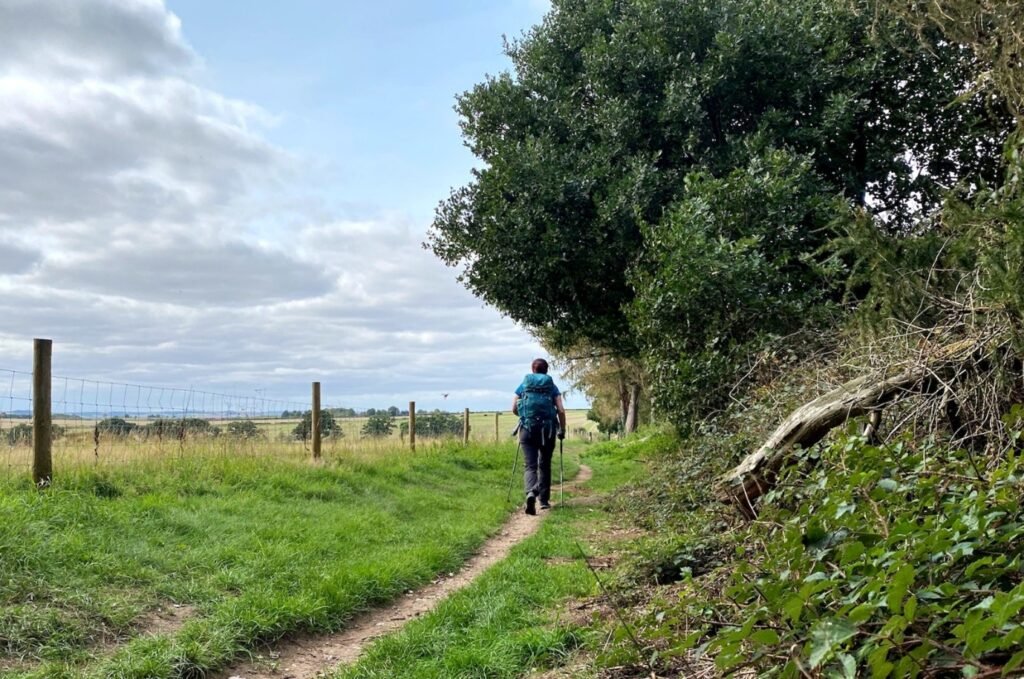
Then comes the image that holds the passage together. An highway shall be there. Not a hidden track known only to the wise. A way broad enough to be named, walked, and shared. It is called holy, not because it is fragile, but because it is ordered.
I am struck by who is included. The wayfaring men, though fools, shall not err therein. The path does not require brilliance. It does not demand mastery. It is made clear enough for those willing to walk.
This is not condescension. It is mercy. Complexity is not treated as a virtue here. Faithfulness is.
A Path Kept Safe
The absence of danger is emphasised. No lion. No ravenous beast. The way is not merely marked. It is kept. Safety is not achieved by vigilance alone, but by the removal of what threatens.
This does not deny the existence of danger elsewhere. It declares that on this path, fear does not govern movement.
That matters deeply. Many paths promise direction but offer no rest. Isaiah’s way allows the traveller to lift his eyes.
Joy That Rests
The passage closes with return and song. Joy is not hurried. It is described as something that rests upon the head, as lightly and persistently as a crown. Sorrow does not explode or vanish suddenly. It flees, as something no longer able to remain.
There is a line here that stays with me through the week.
What is made clear can be walked by many.
This vision teaches me that hope is not only something we feel. It is something prepared. A way laid down patiently so that others may follow without fear of losing themselves.
In the craft, our labour is judged not by how impressive it appears, but by whether it allows another to stand securely where we once stood uncertain.
For today, attending to the making of such a way is enough. Strengthening what is weak. Clearing what obstructs. Trusting that joy, when it comes, will rest where it belongs.
The way does not demand brilliance. It asks only that we walk.
Memorable Phrase
What is made clear can be walked by many.
Why This Matters
It reminds us that true leadership and faithful labour are measured not by complexity or brilliance, but by whether others can follow safely and without fear.