
Psalm 80:1–7, 17–19 (King James Version)
Give ear, O Shepherd of Israel, thou that leadest Joseph like a flock; thou that dwellest between the cherubims, shine forth. Before Ephraim and Benjamin and Manasseh stir up thy strength, and come and save us. Turn us again, O God, and cause thy face to shine; and we shall be saved.
O LORD God of hosts, how long wilt thou be angry against the prayer of thy people? Thou feedest them with the bread of tears; and givest them tears to drink in great measure. Thou makest us a strife unto our neighbours: and our enemies laugh among themselves.
Turn us again, O God of hosts, and cause thy face to shine; and we shall be saved. Let thy hand be upon the man of thy right hand, upon the son of man whom thou madest strong for thyself.
So will not we go back from thee: quicken us, and we will call upon thy name.
Turn us again, O LORD God of hosts, cause thy face to shine; and we shall be saved.
A Plea to Be Heard
This psalm does not begin with confession or explanation. It begins with a plea for attention. Give ear. The words are not polished. They are repeated. The speaker is not trying to sound composed. He is trying to be heard.
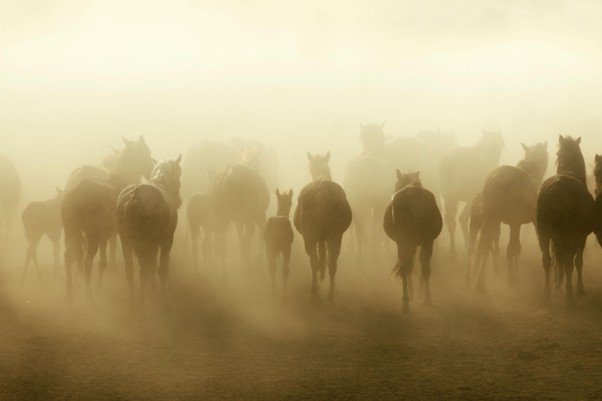
The image offered is gentle at first. A shepherd who leads. A flock that knows the sound of a guiding voice. Yet almost immediately the tone shifts. Strength must be stirred. Salvation must come. Something has gone wrong, and it has lasted longer than expected.
I notice how the psalm refuses to pretend otherwise.
The Cry for Reorientation
The central cry returns again and again. Turn us again. It is not simply a request for relief. It is a request for reorientation. The psalm does not ask God to change circumstances alone. It asks God to change the people.
That detail unsettles me. It suggests that distress is not always solved by removal. Sometimes it is answered by being turned back toward what has been neglected.
In Freemasonry, we understand something of this turning. When a line is found to be off, it is not blamed on the stone alone. The angle is checked. The measure is reapplied. Correction begins at the point of alignment.
Naming Weariness Without Pretence
The psalm dares to speak of divine anger without apology. How long wilt thou be angry against the prayer of thy people? The prayer itself seems to have become part of the strain. Words once offered in hope now feel heavy in the mouth.
Tears are named not as passing emotion, but as sustenance. Bread. Drink. Grief has become habitual. This is not a momentary crisis. It is a condition.
I am grateful the psalm does not rush past this. Faith that cannot name weariness becomes brittle.

Light for Direction, Not Display
There is also shame here. Neighbours look on. Enemies laugh. The pain is public. Loss of standing compounds loss of peace. The psalm does not ask for vindication. It asks for restoration. The face of God shining is enough.
That repeated image matters. Light is not asked for spectacle, but for direction. When the face shines, orientation returns. The people know which way is forward again.
Renewal Through Response
The final verses narrow their focus. A man at God’s right hand. Strength given for a purpose. The language is careful. This is not triumphal. It is hopeful. Renewal is imagined through faithful agency, not force.
Yet even here, the promise is conditional. So will not we go back from thee. Turning is mutual. Restoration is not magic. It involves resolve.
In the craft, this is familiar ground. Renewal requires both gift and response. The tools do not work themselves. They must be taken up again with intention.
An Open Prayer
The psalm ends exactly where it has already been. Turn us again. There is no neat conclusion. No final answer reported. The prayer remains open, repeated, and unresolved.
That honesty stays with me.
There is a line in this psalm that stays with me through the week.
Restoration begins when we consent to be turned.
This prayer teaches me that hope sometimes looks like repetition rather than progress. Saying the same words again, not because they have failed, but because they are still true.
For today, asking to be turned is enough. Naming weariness without pretending it is brief. Trusting that light, when it comes, will be recognised because it has been longed for.
The psalm does not close the wound. It keeps it facing the light.

Memorable Phrase
“Restoration begins when we consent to be turned.”
Reason: It captures the psalm’s call to reorientation as the first step toward renewal.