
John 1:1–9, 10–18 (King James Version)
In the beginning was the Word, and the Word was with God, and the Word was God. The same was in the beginning with God. All things were made by him; and without him was not any thing made that was made.
In him was life; and the life was the light of men. And the light shineth in darkness; and the darkness comprehended it not. There was a man sent from God, whose name was John.
The same came for a witness, to bear witness of the Light, that all men through him might believe. He was not that Light, but was sent to bear witness of that Light. That was the true Light, which lighteth every man that cometh into the world. He was in the world, and the world was made by him, and the world knew him not.
He came unto his own, and his own received him not. But as many as received him, to them gave he power to become the sons of God, even to them that believe on his name: Which were born, not of blood, nor of the will of the flesh, nor of the will of man, but of God.
And the Word was made flesh, and dwelt among us, (and we beheld his glory, the glory as of the only begotten of the Father,) full of grace and truth. John bare witness of him, and cried, saying, This was he of whom I spake, He that cometh after me is preferred before me: for he was before me.
And of his fulness have all we received, and grace for grace. For the law was given by Moses, but grace and truth came by Jesus Christ. No man hath seen God at any time; the only begotten Son, which is in the bosom of the Father, he hath declared him.
Eternity and Nearness
Some passages slow us down. Others widen us. This one does both. John begins before memory and ends among us, placing eternity and nearness in the same breath. I do not hurry when I read it. It resists haste.
The words are familiar, yet they remain difficult to settle. They ask to be received rather than mastered. Here, belief is not argued. It is announced and then left standing.
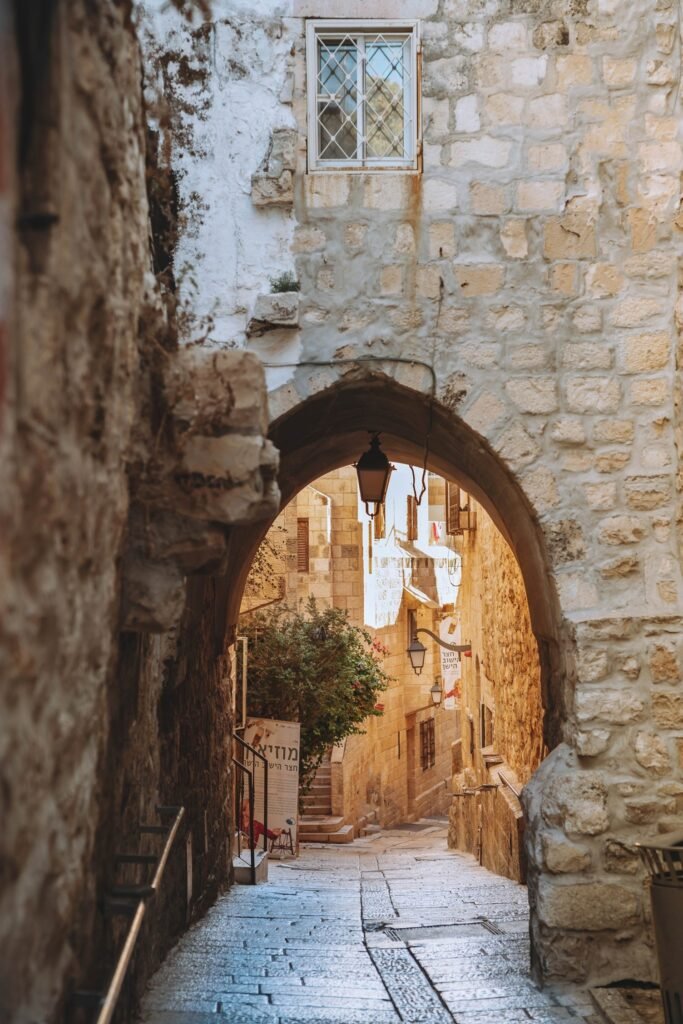
In the Beginning
John does not begin with instruction or command. He begins with presence. The Word already is. Before effort, before response, before understanding, there is being.
This matters. Too often faith is approached as something we build upward. John reverses the movement. What is most real descends and meets us where we are.
In the lodge, foundations are spoken of quietly but treated seriously. Nothing rises well unless it rests upon something already true.
Light Without Force
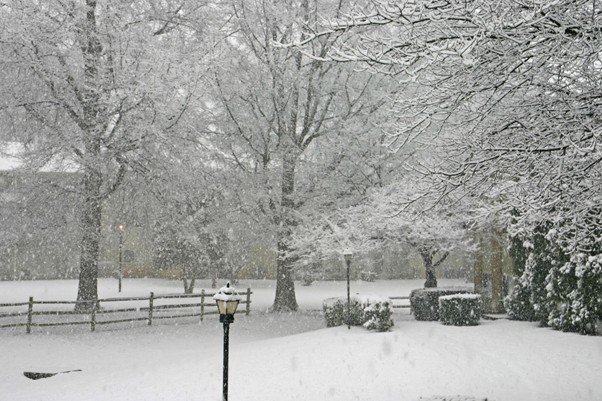
The light shines. It is not said to conquer. It is not said to overwhelm. It simply shines, and the darkness does not comprehend it.
This has steadied me over time. Light does not need permission. It does not need applause. It does not argue its right to exist.
I am reminded that truth can be present without being accepted. The task is not to make it brighter by force, but to remain faithful to its character.
Received or Not
John is unflinching. The world does not recognise its maker. His own do not receive him. The text does not soften this, and it does not dwell on resentment. Rejection is named, then the story moves on.
There is quiet dignity here. Refusal does not undo the gift. Acceptance does not create it. Both responses are real, but neither defines the truth itself.
Becoming Children
Those who receive are given power to become. The language is careful. Becoming is a process, not a switch.
This becoming is not rooted in lineage or will or effort. It is given. That unsettles pride and relieves anxiety at the same time.
In fraternal life, we recognise that growth follows belonging. We are not perfected and then admitted. We are admitted so that we may be shaped.
Dwelling Among Us
The centre of the passage is this quiet sentence. The Word was made flesh and dwelt among us. Not visited. Not appeared. Dwelt.
This is the line I return to when faith feels distant. God does not remain abstract. He chooses nearness, with all its vulnerability and cost.
There is something profoundly Masonic here. The sacred is not kept at a distance. It is approached, worked with, and encountered within the ordinary materials of life. One line stays with me. What is most holy chooses to remain.

Grace for Grace
The passage ends not with instruction but with abundance. Grace following grace. Gift upon gift. Nothing here is exhausted. Nothing is final. What is given continues to be given.
This shapes my sense of time. We are not living on leftovers. We are living within a continuing generosity that does not run out when misunderstood or resisted.
I do not leave this passage feeling informed. I leave it feeling accompanied. The Word remains with us, not solved, not contained, but present.
That is enough for today. To walk, to work, and to trust that light does not withdraw simply because it is not always recognised.
Memorable Phrase
“What is most holy chooses to remain.”
Reason: It captures the heart of the passage’s claim that the sacred draws near and stays with us.