
Romans 8:6–11 (King James Version)
For to be carnally minded is death; but to be spiritually minded is life and peace.
Because the carnal mind is enmity against God: for it is not subject to the law of God, neither indeed can be.
So then they that are in the flesh cannot please God.But ye are not in the flesh, but in the Spirit, if so be that the Spirit of God dwell in you. Now if any man have not the Spirit of Christ, he is none of his.
And if Christ be in you, the body is dead because of sin; but the Spirit is life because of righteousness.But if the Spirit of him that raised up Jesus from the dead dwell in you, he that raised up Christ from the dead shall also quicken your mortal bodies by his Spirit that dwelleth in you.
What the Mind Turns Toward
This passage is often read as a sharp contrast, as though it divides the world cleanly into two kinds of people. Yet when I sit with it for any length of time, it feels less like a verdict and more like a diagnosis. Paul is not announcing winners and losers. He is naming what is alive and what is not.
The distinction he draws is not between body and soul in the abstract, nor between effort and laziness. It is between two ways of attending to life. One turns inward, tightening around appetite and fear. The other opens outward, receptive to what gives life rather than what merely sustains habit.
In the Lodge, there is an early emphasis on attention. A man learns that the quality of his work depends not only on skill, but on where his mind rests as he labours. Romans 8 speaks into that same space, not with condemnation, but with clarity.

A Mind That Settles
To be carnally minded, Paul says, is death. The phrase is blunt, and easily misunderstood. It does not describe particular sins so much as a settled orientation. A mind that lives only for what is immediate eventually exhausts itself. It feeds on repetition and returns diminishing peace.
This kind of death is rarely dramatic. It shows itself in restlessness, in irritability, in the slow loss of patience with anything that cannot be controlled. The mind becomes preoccupied with managing outcomes rather than receiving life.
In Freemasonry, a man is warned against working merely for recognition or advancement. Such motives narrow the field of vision. They may produce activity, but they do not produce peace. The Craft insists, quietly, that inward posture matters as much as outward form.
Paul’s language is uncompromising, but his concern is practical. A mind fixed on itself cannot finally rest. It is always measuring, defending, and adjusting. Life thins under that strain.
Life and Peace Together
The alternative Paul names is not escape from the world, but a different way of inhabiting it. To be spiritually minded is life and peace. The pairing is important. Life without peace becomes agitation. Peace without life becomes withdrawal. Paul refuses both extremes.
Spiritual mindedness, as he describes it, is not heightened emotion or constant awareness. It is a mind that has learned where to lean. It trusts that life is not generated solely by effort, and so it loosens its grip.
In the Lodge, peace is not equated with passivity. It is the steadiness that allows careful work to continue without haste. A brother who labours with attention and calm contributes more than one who works anxiously, even if the latter appears more energetic.
Life and peace together suggest balance. They point to a way of being that is responsive rather than reactive.
Limits That Are Acknowledged
Paul speaks plainly about what cannot be done. The mind set on the flesh cannot please God. This is not a threat. It is an observation. Certain postures simply do not align with what gives life.
There is relief in that honesty. It removes the burden of trying to force harmony where it does not exist. Instead of endless striving, the passage invites a change of orientation.
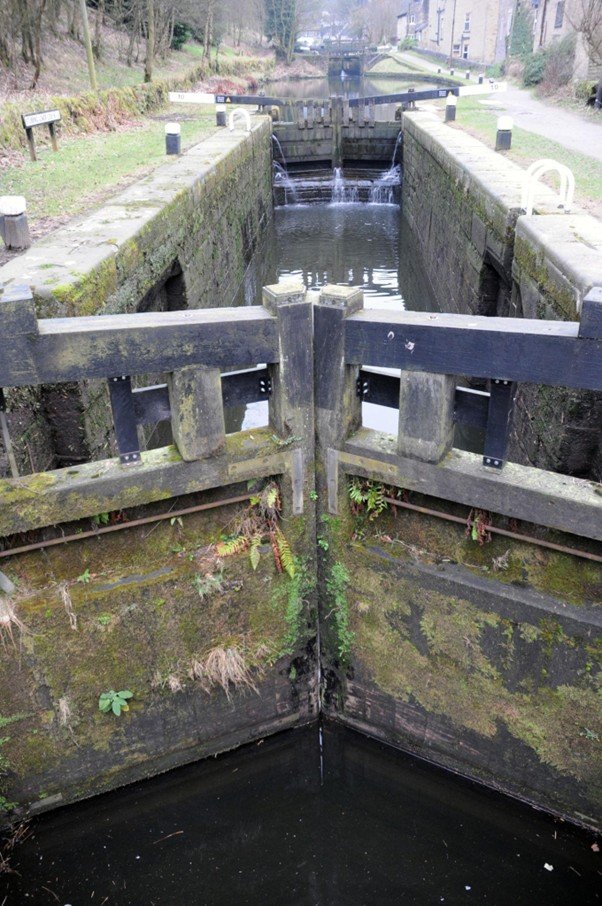
In Freemasonry, a man is taught to recognise limits. The tools are precise, but they cannot be used for every task. Wisdom lies in knowing when to set one down and take up another. Romans 8 carries the same practical wisdom. It names the boundary without embellishment.
To acknowledge limitation is not to concede defeat. It is to clear space for what can actually work.
Indwelling Rather Than Achievement
The passage shifts tone when Paul addresses his readers directly. Ye are not in the flesh, but in the Spirit, if so be that the Spirit of God dwell in you. The emphasis falls not on effort, but on presence.
This indwelling is not earned by discipline alone. It is received. The Spirit is described as one who takes up residence, not as a force that must be summoned repeatedly. Life begins to change not when a man becomes exceptional, but when he becomes receptive.
In the Lodge, there is an understanding that formation takes time. A man does not perfect himself by sheer will. He places himself within a tradition, among brothers, under obligation, and allows that environment to shape him. Growth happens by dwelling, not by display.
Paul’s language resists heroics. It suggests steadiness over spectacle, presence over performance.
Death That Is Not the End
Paul makes a statement that seems paradoxical. If Christ be in you, the body is dead because of sin; but the Spirit is life because of righteousness. He does not deny mortality. He names it. Yet he refuses to let it define the whole story.
The body’s limits are acknowledged without despair. Death is real, but it is not final. Life is already present, active, and shaping the present moment.
In Freemasonry, mortality is never far from view. The Craft does not avert its eyes from the finite nature of life. Instead, it places that knowledge alongside responsibility. A man works more carefully because time is limited, not less.
Paul’s confidence rests in the Spirit that raised Jesus from the dead. That same Spirit, he says, is at work now, giving life even within what remains unfinished.

Life That Reaches the Body
The passage ends with a promise that is both future and present. The Spirit that raised Christ will also quicken your mortal bodies. Life is not confined to thought or feeling. It reaches into the physical, the ordinary, the daily.
This matters. Spiritual life that never touches conduct is incomplete. Paul insists that what indwells eventually expresses itself. Not all at once, and not without struggle, but faithfully over time.
Where Is the Mind Set?
In the Lodge, the aim of instruction is not abstract understanding. It is the shaping of conduct. A man is expected to carry what he has received into his work, his relationships, and his silence as much as his speech.
Romans 8 leaves me with a quiet question. Where is my mind set most of the time? Not where I would like it to be, but where it habitually returns. That place, Paul suggests, will tell me what is being nourished.
Learning what lives is not a single decision. It is a practice. It involves noticing where attention rests, and gently, persistently, turning it toward what gives life and peace.