Micah 6:8
He hath shewed thee, O man, what is good; and what doth the Lord require of thee, but to do justly, and to love mercy, and to walk humbly with thy God?
There is something deeply reassuring about the simplicity of this verse. It does not ask for brilliance. It does not demand achievement. It does not praise visibility. It speaks instead of justice, mercy, and a quiet manner of walking through the world.
I have often felt that Freemasonry points in precisely this direction. Its lessons, once stripped of ceremony and memory, reduce themselves to habits of living that are almost unnoticed by others, and often by ourselves.
The Weight of Small Things
Justice is rarely found in grand gestures. It is found in small fairnesses. It is present when we listen fully before speaking, when we refrain from taking advantage, when we measure our words carefully.
These moments do not attract attention. They leave no record. Yet they form the true architecture of character.
The path is not impressive, yet it is made by walking it daily.
Freemasonry teaches us to square our actions, not occasionally, but habitually. The square is not a tool for rare occasions. It is a quiet companion for ordinary days.
Loving Mercy in Quiet Ways
Mercy is not loud. It does not announce itself. It appears in the willingness to forgive what could be remembered, to overlook what could be criticised, to soften what could be made hard.
I have come to realise that mercy often costs us nothing but pride.
There are countless opportunities each day to insist upon our own correctness. Mercy gently invites us to do otherwise.
Humility is the art of walking without needing to be seen.
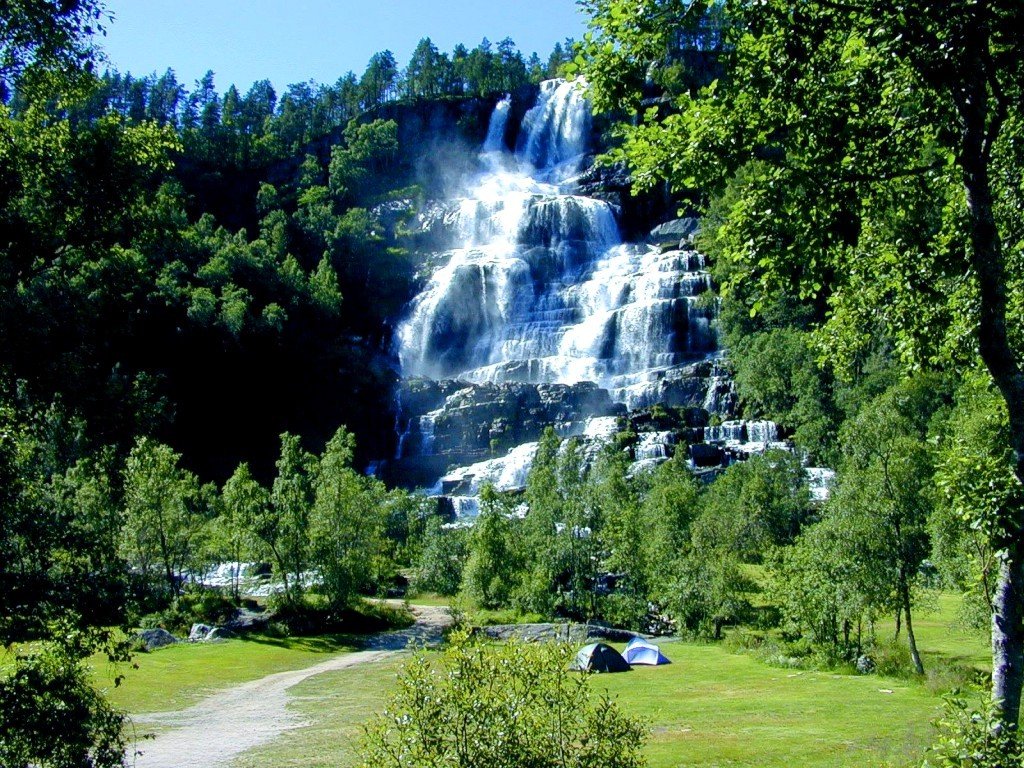
This is the kind of landscape where nothing demands attention, yet everything is quietly alive.
The Unremarkable Discipline of Humility
To walk humbly is not to think less of oneself, but to think of oneself less often. It is to move through the day without the constant need to measure how we are perceived.
Freemasonry, in its quiet symbolism, reminds us that the true work is inward. The world may never know the effort made to restrain an unkind word, to delay an impatient response, to choose gentleness over sharpness.
Yet these are the very moments where the moral structure is strengthened.
Each stone appears small and insignificant, yet together they form something enduring.
Justice Without Noise
There is a temptation to think that justice must be dramatic. That it must involve confrontation or visible correction. But often justice is simply consistency.
Treating others the same when we could favour one over another. Speaking honestly when exaggeration would be easier. Admitting fault without defence.
These are small acts, but they accumulate.

Mercy Without Display
Mercy is rarely recognised by others because it so often takes the form of what we choose not to do. The unspoken criticism. The withheld complaint. The quiet understanding.
In this way, mercy resembles much of the moral work taught in Lodge: unseen, unrecorded, yet deeply formative.
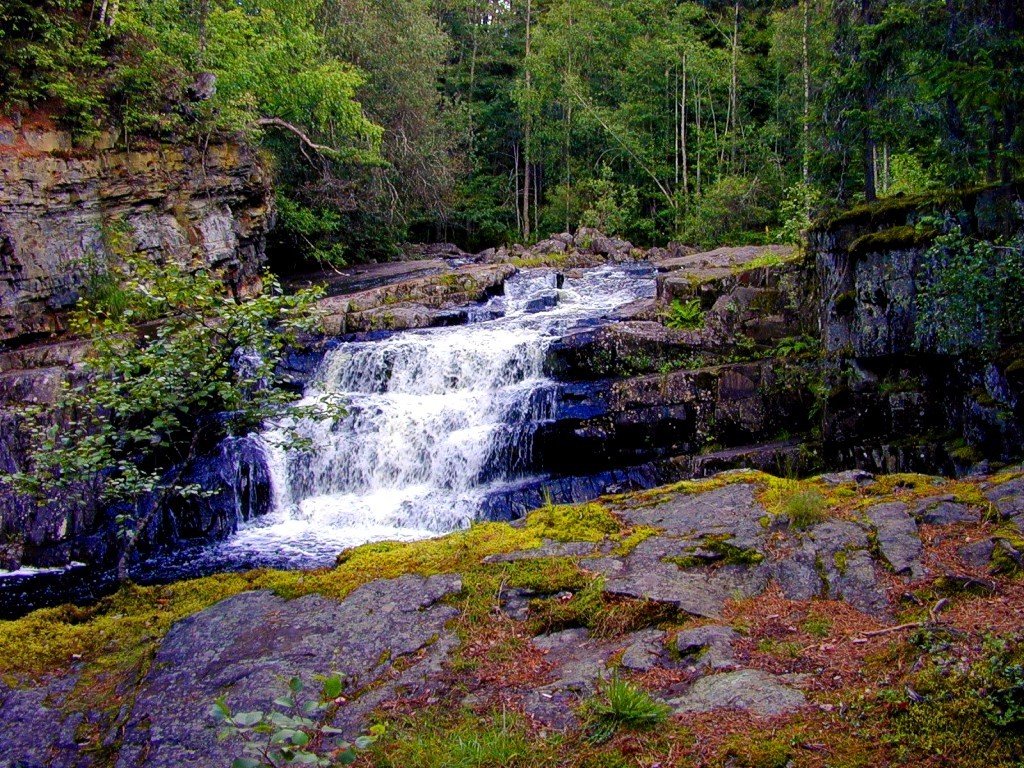
Water does its work without announcement.
Walking, Not Running
Micah does not say to run humbly. He says to walk. There is patience implied here. Steadiness. Continuity.
Walking suggests duration. It suggests a manner of living sustained over time, rather than moments of intensity followed by neglect.
This, I think, is where the discipline of Freemasonry meets the simplicity of Scripture. Both point not to occasional excellence, but to daily steadiness.
The Quiet Measure of a Life
When I reflect on those I have respected most, it is rarely for grand accomplishments. It is for the quiet way they moved through life. Their fairness. Their gentleness. Their lack of self-importance.
These are not qualities that draw attention, but they leave a lasting impression.
The sky does not strive to be noticed, yet it shapes everything beneath it.
Closing Reflection
Perhaps the true challenge of this verse is that it leaves us without excuse. Justice, mercy, and humility are always within reach. They do not depend on circumstance, position, or recognition.
They depend only on the manner in which we choose to walk through the ordinary hours given to us.