
Isaiah 42:1–9 (King James Version)
Behold my servant, whom I uphold; mine elect, in whom my soul delighteth; I have put my spirit upon him: he shall bring forth judgment to the Gentiles.
He shall not cry, nor lift up, nor cause his voice to be heard in the street.
A bruised reed shall he not break, and the smoking flax shall he not quench: he shall bring forth judgment unto truth.
He shall not fail nor be discouraged, till he have set judgment in the earth: and the isles shall wait for his law.
Thus saith God the Lord, he that created the heavens, and stretched them out; he that spread forth the earth, and that which cometh out of it; he that giveth breath unto the people upon it, and spirit to them that walk therein:
I the Lord have called thee in righteousness, and will hold thine hand, and will keep thee, and give thee for a covenant of the people, for a light of the Gentiles;
To open the blind eyes, to bring out the prisoners from the prison, and them that sit in darkness out of the prison house.
I am the Lord: that is my name: and my glory will I not give to another, neither my praise to graven images.
Behold, the former things are come to pass, and new things do I declare: before they spring forth I tell you of them.
This passage speaks of authority without noise. The servant does not announce himself. He does not raise his voice in the street or press his claim upon the crowd. His presence is known not by volume, but by steadiness.
I find myself slowing down when I read it. There is nothing hurried here, nothing defensive. Strength is assumed, not asserted. The servant is upheld, not self-made. He carries judgment, yet does not crush what is already weak.
That combination unsettles modern instincts. We are used to leadership that declares itself loudly. Here, authority arrives quietly and remains.

Strength that restrains itself
The first thing Isaiah tells us is not what the servant does, but how he does it. He does not shout. He does not force attention. His work unfolds without spectacle.
In Freemasonry, restraint is not weakness. The working tools remind us that force must be governed, squared, and measured. Power that cannot restrain itself becomes destructive, even when well-intentioned.
The servant’s judgment is not rushed. He brings it “unto truth,” not merely to conclusion. That suggests patience. Truth takes time to surface, especially where lives are already bruised.
I am struck by how much trust this requires. To act without noise is to risk being overlooked. To serve without shouting is to surrender control over how one is perceived.
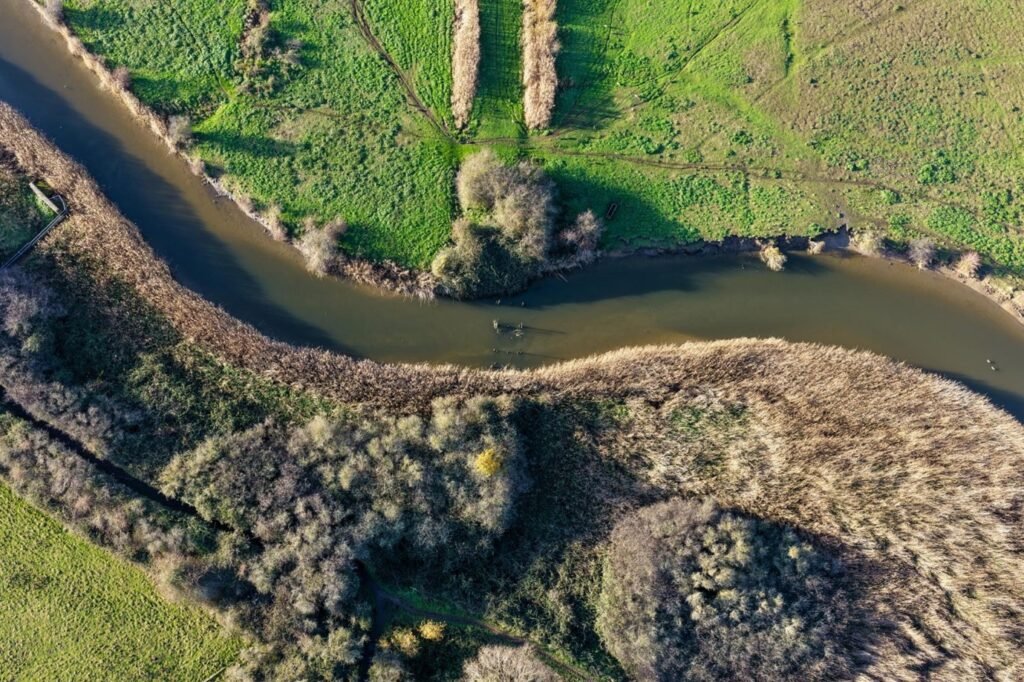
A bruised reed
The image of the bruised reed lingers. It is ordinary and fragile. A reed bent out of shape is easy to discard. Yet this servant refuses to break it.
This speaks to a kind of attentiveness that notices damage without exploiting it. In lodge life, as in ordinary life, we encounter one another carrying unseen strain. Discipline without mercy becomes cruelty. Mercy without discipline dissolves into sentiment. The servant holds both.
The smoking flax, barely alight, is not extinguished. The servant works with what remains, not with what might ideally be there. That feels uncomfortably practical. It removes the excuse to wait for perfect conditions.
This is judgment that restores rather than replaces. It does not erase what has been weakened; it steadies it.
Held, not driven
Midway through the passage, the voice shifts. God speaks directly, naming himself as Creator, giver of breath. Authority is located beyond the servant, not within him.
“I will hold thine hand.” The servant is not driving the work alone. He is accompanied, upheld, guided. This removes both pride and despair. Success is not self-generated; failure is not final.
In Masonic terms, this recalls the balance between labour and dependence. We are called to work diligently, but not to imagine ourselves as the source of light. That light is entrusted, not owned.
The servant is given “for a light of the Gentiles,” not as a possession, but as a gift. Light does not draw attention to itself; it reveals what is already there.
New things declared quietly
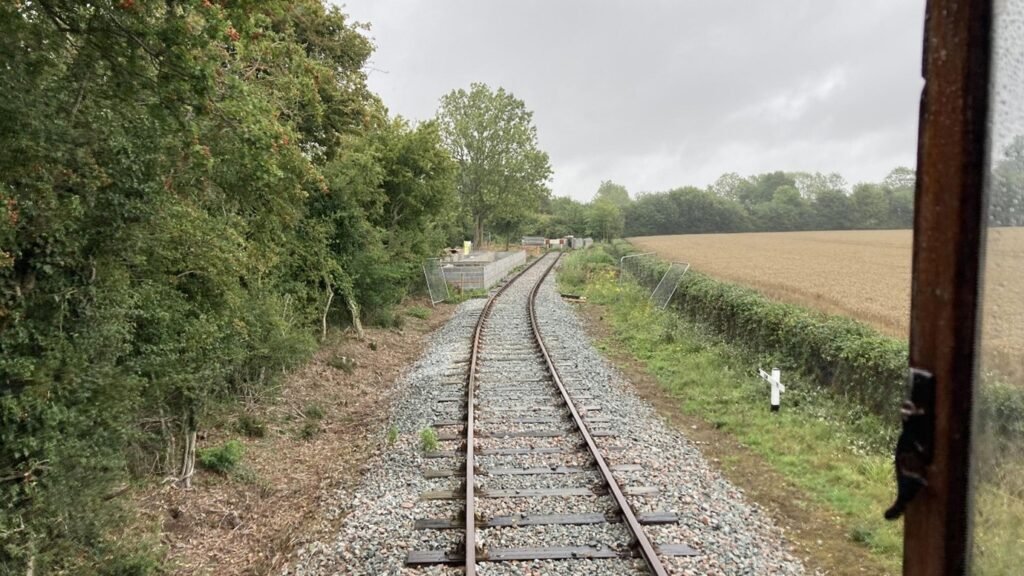
The passage ends with something almost understated: new things are declared before they appear. There is no spectacle here either. Change begins invisibly, before anyone can point to results.
This resonates with the slow work of formation. Character is shaped long before it is noticed. Integrity is laid quietly, stone by stone, before it supports anything visible.
The servant’s confidence does not come from immediacy. He is not discouraged because his horizon is longer than the present moment. That patience feels rare, and necessary.
A line to carry
The strongest work is often the least announced.
Closing
Isaiah offers a vision of authority that neither dominates nor withdraws. It stands present, restrained, attentive to weakness, and confident enough to remain quiet. I find myself wondering how often I mistake volume for strength, and speed for faithfulness. This servant does not shout, yet nothing in the passage suggests he will fail. Perhaps the work that lasts longest is the work done without noise.